How Gaming Rewards Have Changed Over Time
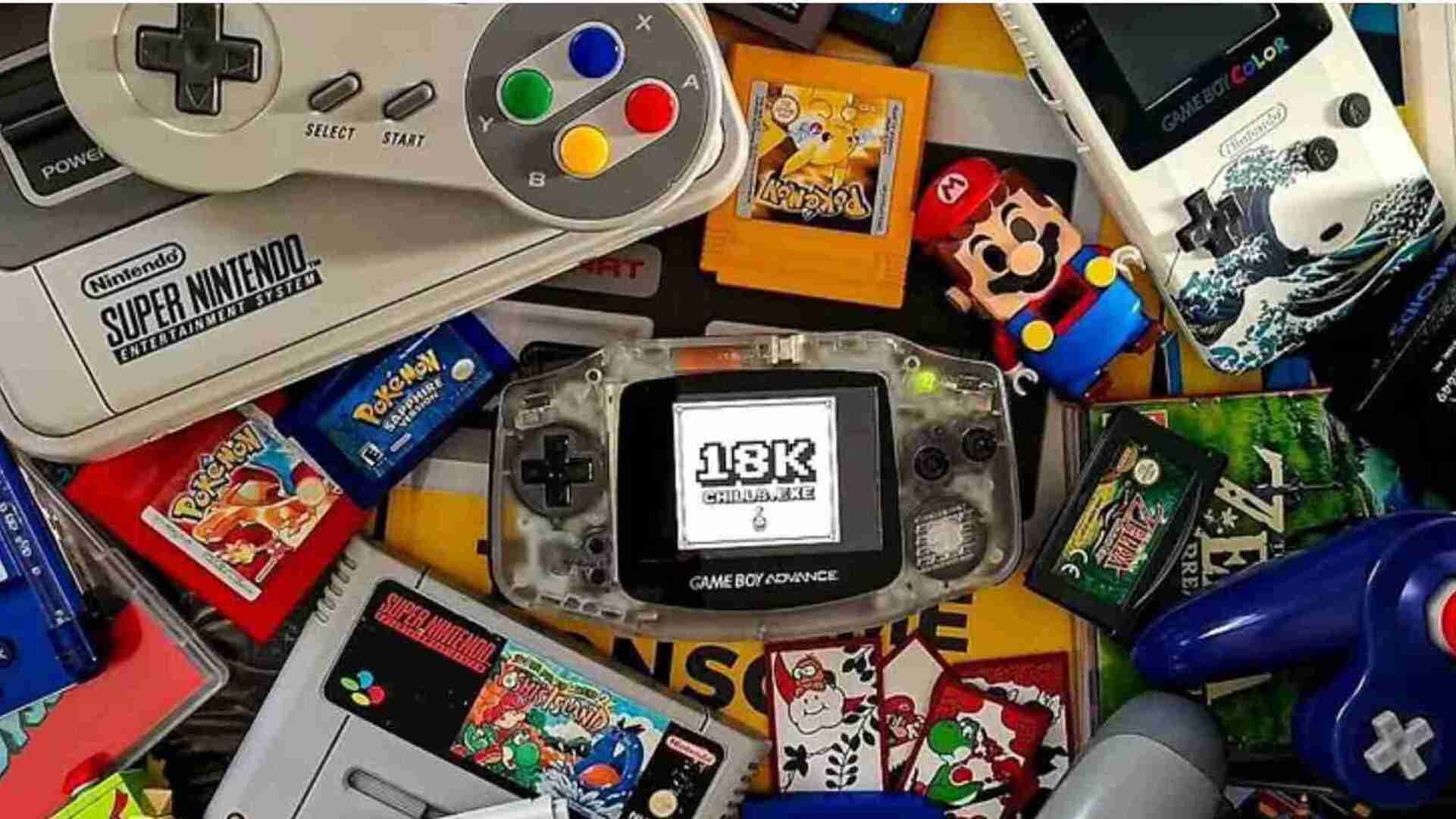
The concept of rewards in the gaming world has undergone a massive transformation, moving from simple high scores to complex digital economies. In the early days, the primary incentive for players was often prestige or the satisfaction of seeing their initials at the top of an arcade leaderboard. Today, these systems have expanded into multifaceted frameworks that offer everything from cosmetic upgrades to tangible real-world value.
The Arcade Era and the Birth of High Scores
During the 1970s and 80s, the reward for gaming was almost entirely performance-based and local. Players competed for the top spot on a machine's high score list, which served as a social status symbol within the local gaming community. These simple numerical markers provided a powerful incentive for players to master specific mechanics and spend hours perfecting their skills.
As gaming moved into the home console era, developers began to introduce more permanent forms of recognition. Level completion and secret unlockables became the new standard for keeping players engaged over longer periods. This shift allowed for a more personal sense of progression that didn't necessarily require a public leaderboard to feel meaningful.
The Introduction of Achievements and Trophies
The mid-2000s marked a significant turning point with the introduction of system-wide achievement and trophy systems. Platforms like Xbox Live and PlayStation Network allowed players to build a digital resume of their accomplishments across multiple different titles. This standardized reward system created a new type of "completionist" gamer who sought to unlock every possible milestone a game had to offer.
These digital rewards also began to incorporate social elements, allowing friends to compare their progress and total scores easily. Many developers used these systems to encourage players to explore alternative gameplay styles or find hidden secrets they might have otherwise missed. It turned gaming into a broader, interconnected experience rather than a series of isolated play sessions.
The Rise of In-Game Economies and Digital Assets
Modern gaming has further evolved to include complex internal economies where players earn virtual currencies through gameplay. These currencies can often be spent on cosmetic items, character upgrades, or even access to exclusive seasonal content. This transition has turned rewards into a form of digital property that players can customize and display to others in online environments.
Many players now seek out platforms that offer a diverse range of incentives and competitive structures to maximize their time spent gaming. For those interested in seeing how diverse these platforms have become, exploring sites like mansion sports can provide insight into modern competitive reward structures. These ecosystems often balance the thrill of competition with structured reward paths that keep the community active and growing.
Gamification and Real-World Value Integration
One of the most recent trends is the integration of gaming rewards with real-world incentives, a process often referred to as gamification. Loyalty programs and mobile applications now use gaming mechanics to reward users with discounts, gift cards, or even direct financial benefits. This has blurred the lines between pure entertainment and functional utility in a way that was once unimaginable.
The future of these systems likely involves even greater transparency and portability through emerging technologies like blockchain. As digital assets become more secure and verifiable, the rewards earned in one game might eventually hold value in entirely different digital spaces. This ongoing evolution ensures that the incentives for playing will continue to adapt to the changing needs and expectations of a global audience.