Multiplayer Games That Inspire Teamwork
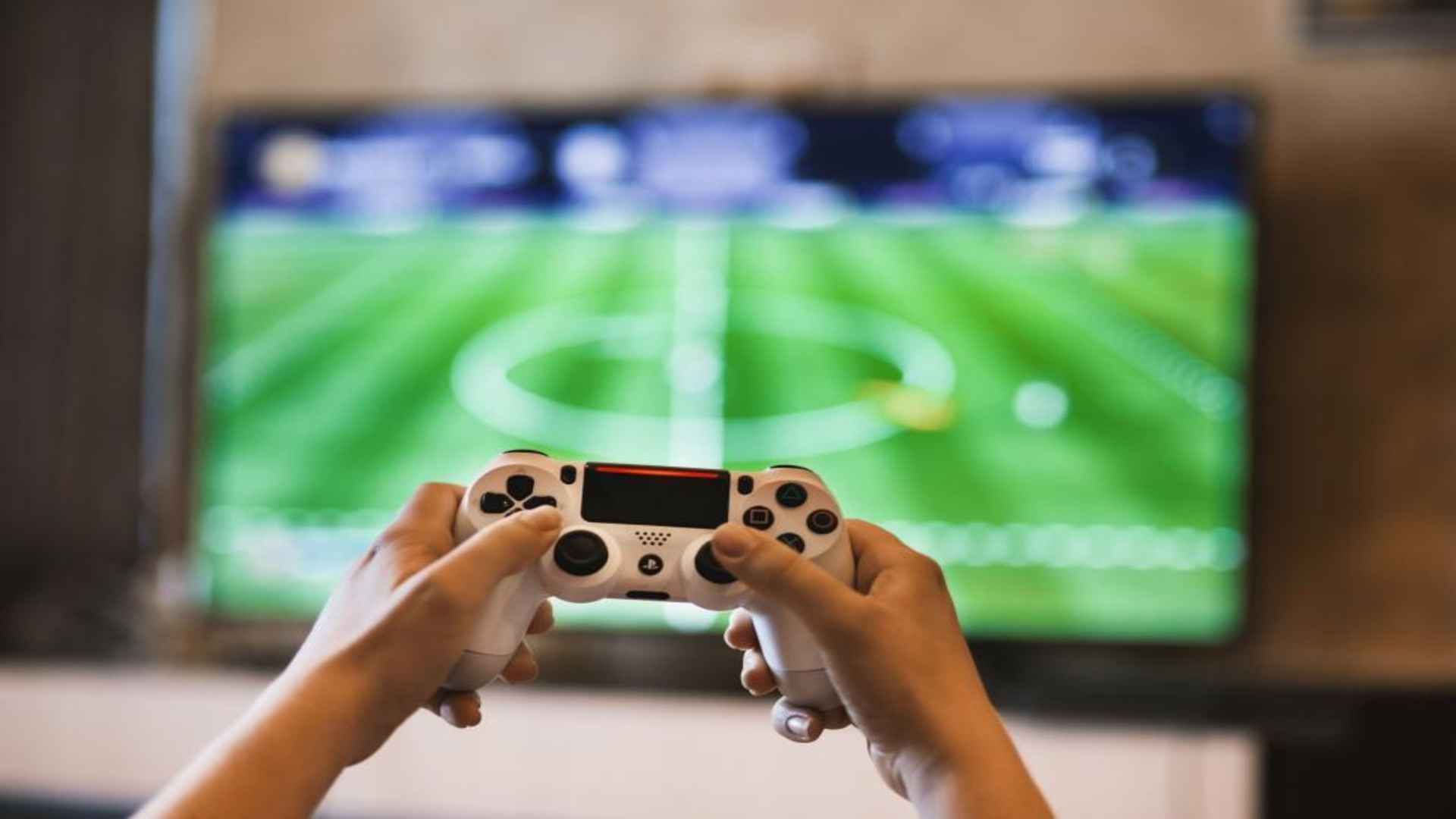
The modern digital landscape has transformed multiplayer gaming from a solitary pastime into a deeply cooperative experience. Instead of focusing purely on individual triumph, contemporary game design emphasizes shared goals and mutual support. These virtual environments offer players an exceptional space to test their collective problem-solving skills and celebrate unified victories.
The Evolution of Cooperative Mechanics
Early cooperative games often relied on simple task delegation, but modern titles require profound interdependence among team members. Players must blend unique character roles and coordinate strategies in real time to overcome complex environmental challenges. This evolution shifts the focus from simple button mashing to complex cognitive collaboration.
As teams face escalating difficulties, the demand for tactical flexibility becomes paramount to achieving success. Successful groups learn to analyze failures collectively rather than assigning blame to individual players. This supportive environment naturally nurtures a sense of shared responsibility and community.
Enhancing Real World Interpersonal Skills
Participating in structured virtual challenges has been shown to yield significant benefits for everyday communication. Players must master active listening, brief clarification, and rapid decision-making under intense pressure. To optimize your digital experience and explore reliable community hubs, you can access the M88 Msports Login for tailored platforms. Engaging with these specialized networks assists players in finding dedicated groups focused on cooperative development.
Furthermore, the coordination learned during virtual missions easily translates into professional team dynamics. Individuals become more adept at identifying colleagues' strengths and offering assistance before problems escalate. Ultimately, these digital spaces act as safe laboratories for refining interpersonal empathy.
Building Trust Across Virtual Boundaries
Cooperative gaming fosters unique social connections by uniting diverse individuals under a single operational objective. Overcoming difficult virtual obstacles creates a shared history that bridges cultural and geographic divides. This shared journey builds strong foundations for long-lasting peer relationships.
When players rely heavily on one another to complete complex missions, mutual trust develops rapidly. This psychological safety allows team members to experiment with creative solutions without fear of harsh judgment. Consequently, the community becomes a resilient network of supportive collaborators.