Tag: Leaderboards
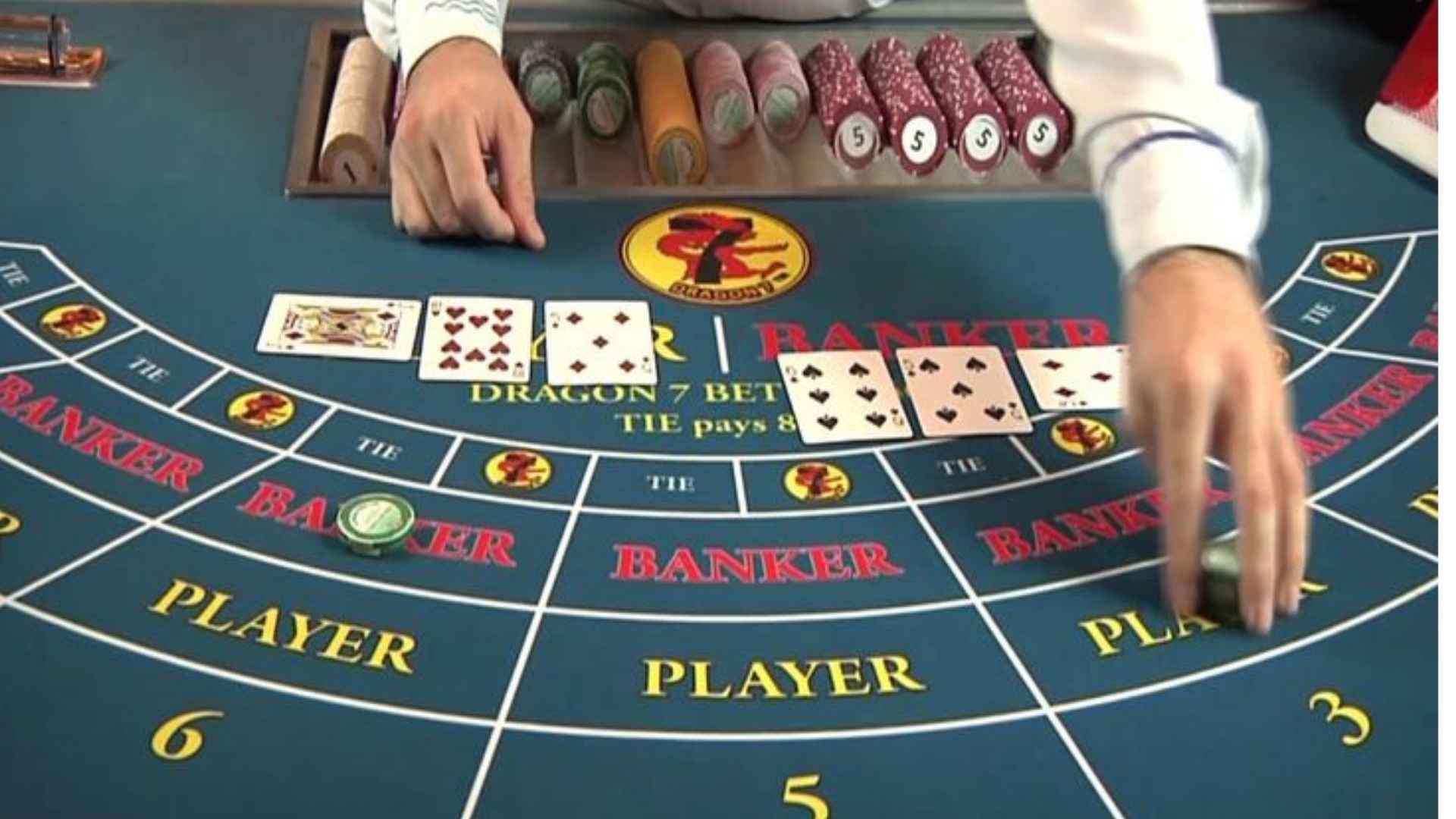
Mahjong Gameplay Explained Clearly
Mahjong is a captivating tile-based tabletop game that blends memory, calculation, and tactical flexibility into a rewarding social experience. While its intricate setup and diverse regional variants can appear intimidating at a distance, the core gameplay loop remains logical and accessible for newcomers. Mastering the fundamentals allows enthusiasts to engage deeply with the strategic flow of each match rather than simply relying on visual guesswork.
The Anatomy of a Standard Mahjong Set
A conventional match is played with 144 individual tiles, which are divided into distinct categories known as suits and honors. The primary suited pieces comprise bamboo, dots, and characters, each running from numbers one through nine. Beyond these numerical patterns, special honor pieces representing the four cardinal winds and three distinct dragons introduce critical variance to the table layout.
Learning to recognize these beautiful symbols early prevents players from becoming overwhelmed during fast-paced turns. Regular exposure to the physical or digital tiles also naturally enhances a player's spatial pattern recognition and visual retention over time. Establishing a clear familiarity with the component pieces forms the absolute foundation for tracking table conditions.
The Core Objective and Flow of a Match
The main goal of every participant is to be the first to construct a complete fourteen-tile legal hand before their opponents do. A standard winning combination generally requires four distinct sets of three tiles alongside a final identical pair known as the eyes. These groupings can consist of three identical tiles or a consecutive numerical sequence within a single matching suit.
During each continuous round, a player draws a hidden piece from the wall and subsequently chooses one from their hand to discard into the open middle zone. This cycle demands constant vigilance, as players must monitor what tiles are vanishing from active rotation. Players can securely explore these flow mechanics and log into community platforms like the M88 Msports Login hub to analyze historical board setups and hone their analytical skills.
Essential Tactics for Dynamic Tile Control
When forming a standard hand, beginners should focus on preserving tactical flexibility rather than rushing into a rigid choice. It is usually best to discard isolated honors early while holding onto versatile middle-suit pieces that offer multiple completion paths. Calculating the visible probability of missing tiles prevents players from chasing highly unlikely or dead combinations.
Maintaining an observant and adaptable mindset allows players to pivot gracefully when an opponent discards a vital piece. Balancing defensive caution with an organized offensive path ensures that you stay competitive through the intense final draws of the match. With steady patience, evaluating the real-time risk of every move transforms casual tile placement into a sharp intellectual exercise.

Solitaire Games That Test Your Patience
Solitaire is historically known as Patience in many parts of the world, a name that perfectly describes the true essence of this solo card gaming experience. While casual players often view it as a simple way to pass the time, certain variations are designed to push your mental endurance and focus to their absolute limits. Mastering these challenging setups requires a calm mindset, deep foresight, and a willingness to accept that not every deal can be won.
The Psychology of Staying Calm Under Pressure
Playing highly challenging card games serves as an excellent mental exercise in delayed gratification and emotional control. When you are faced with a difficult layout, the temptation to make hasty moves can quickly lead to an unwinnable block on your digital tableau. Developing a slow, methodical approach to analyzing the board can help train your brain to handle real-world challenges with greater composure.
Many players discover that the deliberate pace of these setups provides a unique form of digital mindfulness. Instead of rushing through turns, you are forced to weigh the long-term consequences of revealing a specific hidden card. This cognitive shift from instant reaction to strategic planning is what makes the experience deeply rewarding for enthusiasts worldwide.
Classic Setups That Demand Ultimate Focus
Among the various options available, Spider Solitaire stands out as one of the most demanding variations ever created, especially when played with multiple suits. Managing eight distinct tableau columns requires immense concentration, as a single misplaced card can disrupt your entire sequencing strategy. Successful players must carefully plan several steps ahead to keep their columns open and functional.
Another excellent option is Forty Thieves, a game notorious for its strict rules and exceptionally low statistical win rate. With almost all cards dealt face-up but very few spots to temporarily store them, every single decision carries massive weight. Navigating this strict environment forces players to utilize extreme caution and precise mathematical calculation.
Strategic Tips for Enhancing Your Endurance
To improve your performance in these complex games, you must prioritize exposing hidden cards as early as possible. Uncovering face-down cards in your longest columns opens up critical movement pathways and prevents early dead ends on the board. Experienced strategists also recommend keeping at least one empty column available to temporarily maneuver high-value cards.
It is equally important to manage your draw pile with care rather than cycling through it too rapidly. If you are looking for a relaxing break between these intense mental workouts, you can check out the M88 Msports Login platform to explore other engaging online pastimes. Balancing high-difficulty card puzzles with lighter digital entertainment is a great way to keep your mind sharp and energized.
Embracing the Journey Over the Final Score
Ultimately, the true appeal of high-difficulty solitaire lies in the process of problem-solving rather than the final victory screen. Even when a layout proves to be mathematically impossible to solve, the process of analyzing the cards is highly beneficial. By shifting your focus from winning to learning, you turn every single deal into a constructive mental exercise.

Table Games with High Replayability
When selecting a new addition to your tabletop collection, the longevity of the experience is often the most critical factor to consider. Games that offer high replayability ensure that players can return to the same box dozens of times without ever feeling like the gameplay has become stale or predictable. This enduring appeal relies on clever design mechanics that keep every session fresh, challenging, and deeply engaging for everyone involved.
The Mechanics of Dynamic Variance
One of the primary drivers of replayability in modern table games is the introduction of variable setups and modular components. When the board layout, available resources, or starting conditions shift with every playthrough, players are forced to abandon set formulas and adapt on the fly. This level of unpredictability ensures that no single strategy remains dominant over multiple sessions.
Furthermore, many highly replayable designs utilize asymmetric player powers to diversify the experience. Taking on a completely different role with unique strengths and weaknesses dramatically alters how you interact with the game systems. This design choice encourages players to explore every faction or character, significantly multiplying the total hours of novel entertainment.
Strategic Depth Versus Pure Luck
While random card draws and dice rolls can create immediate excitement, true longevity is built upon strategic depth. Games that reward skill acquisition and deep tactical planning allow players to feel a genuine sense of personal growth over time. The transition from chaotic decision-making to calculated mastery is one of the most satisfying journeys a tabletop game can offer.
To experience this evolution first-hand, players often look for platforms that offer competitive variety and clean interfaces. For instance, finding a reliable portal like the M88 Msports Login page can introduce you to strategic layouts designed for seasoned enthusiasts. Engaging with well-balanced systems ultimately transforms a simple pastime into a deeply rewarding, long-term hobby.
The Role of Human Interaction
Perhaps the most powerful engine of replayability is the social element that players themselves bring to the table. No two opponents think exactly alike, meaning that negotiation, psychology, and shifting alliances will naturally create unique narratives every time you play. The unpredictable nature of human behavior ensures that even the simplest rulesets can yield infinitely complex outcomes.
In cooperative setups, this social dynamic shifts toward collective problem-solving and communication. Working together to overcome escalating challenges requires constant adaptation and keeps the tension high. Ultimately, it is this shared human connection, combined with solid mechanics, that makes a game truly timeless.